All Work
AI Production Lead
Vertical Drama Studio
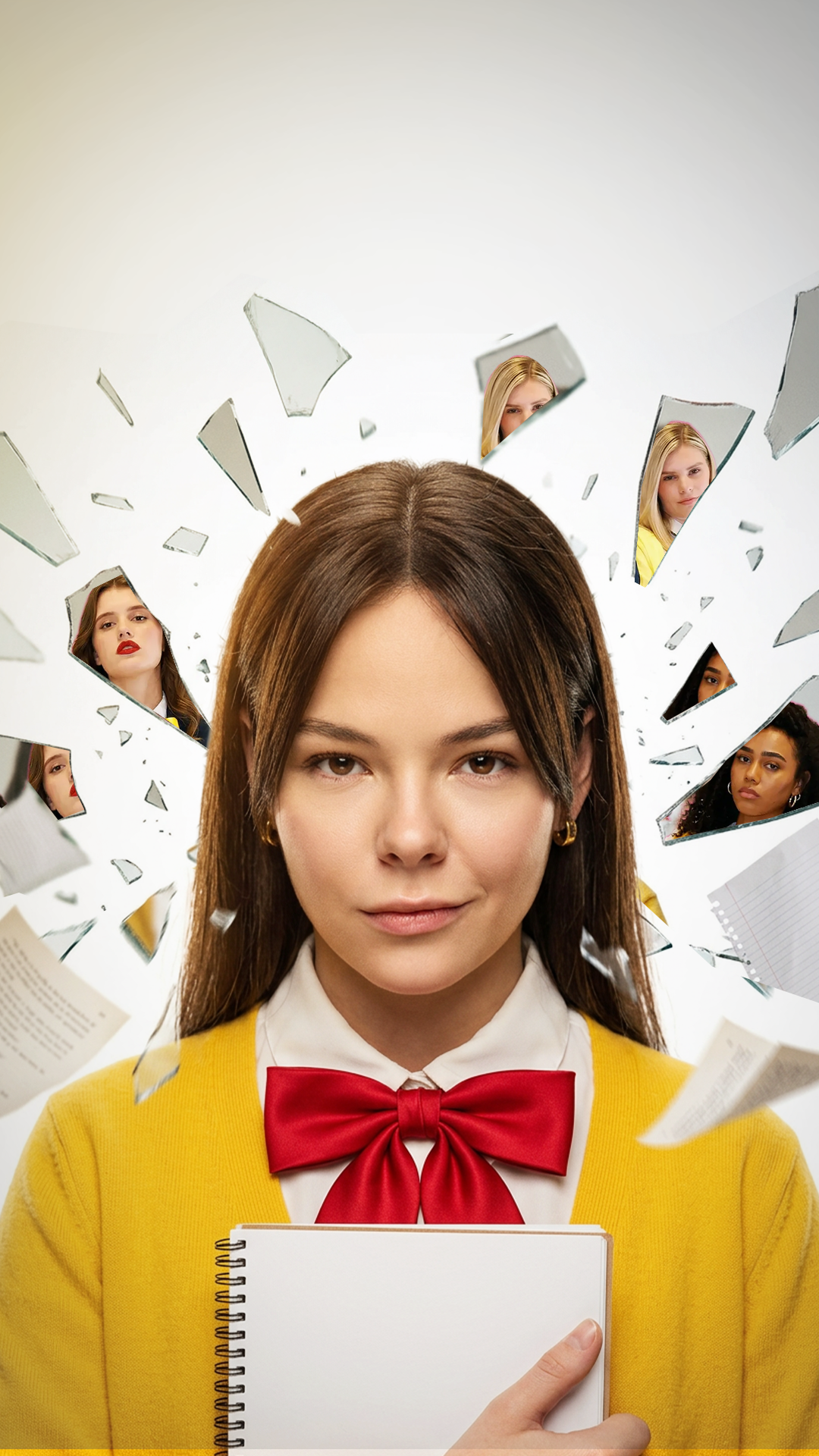
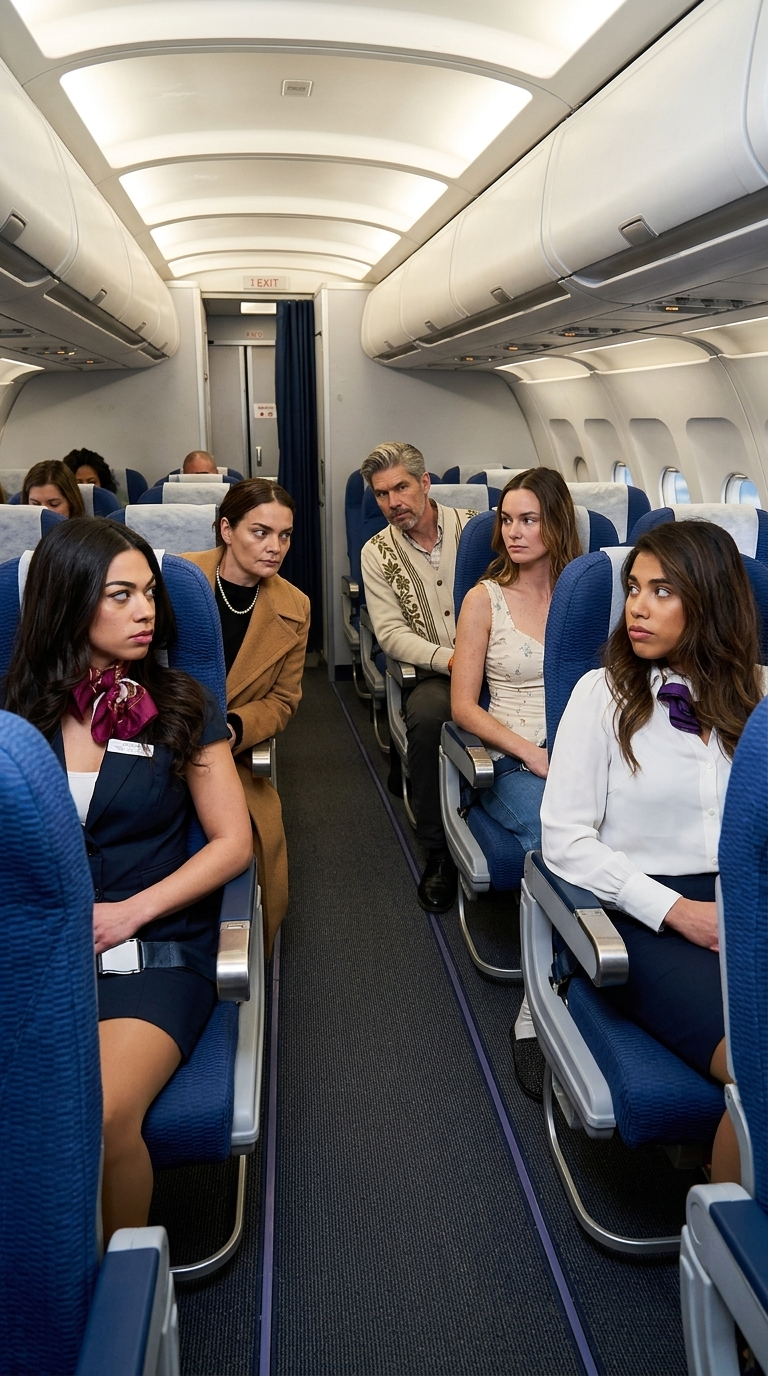
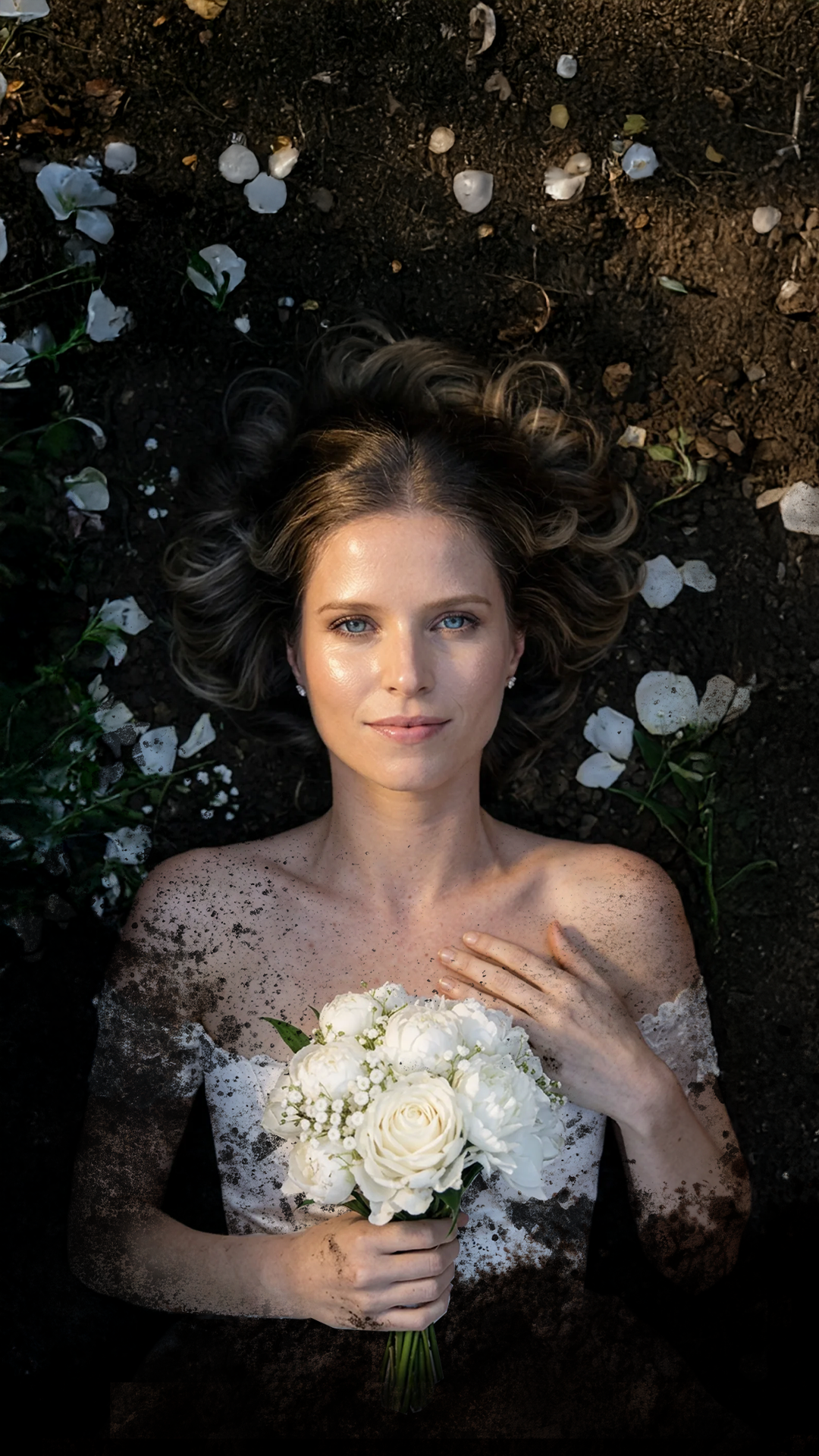
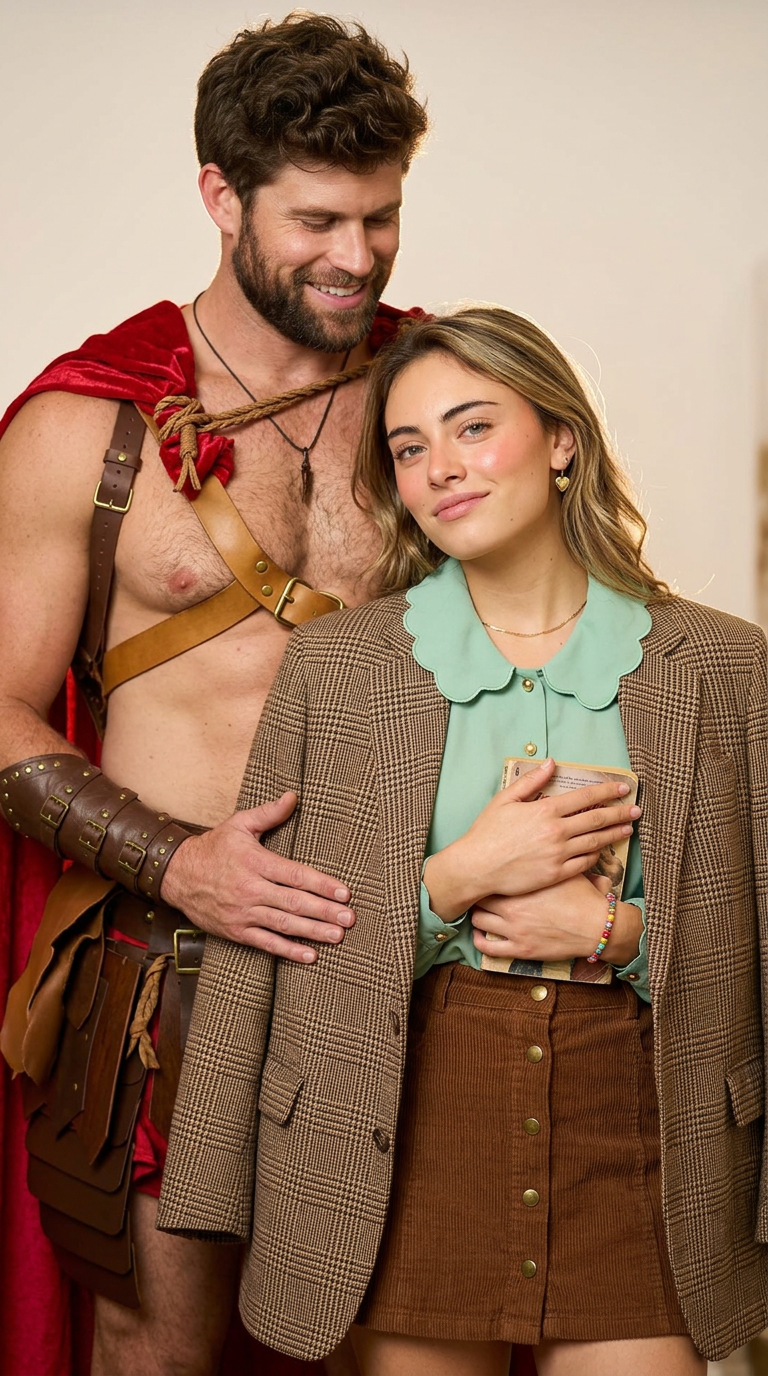
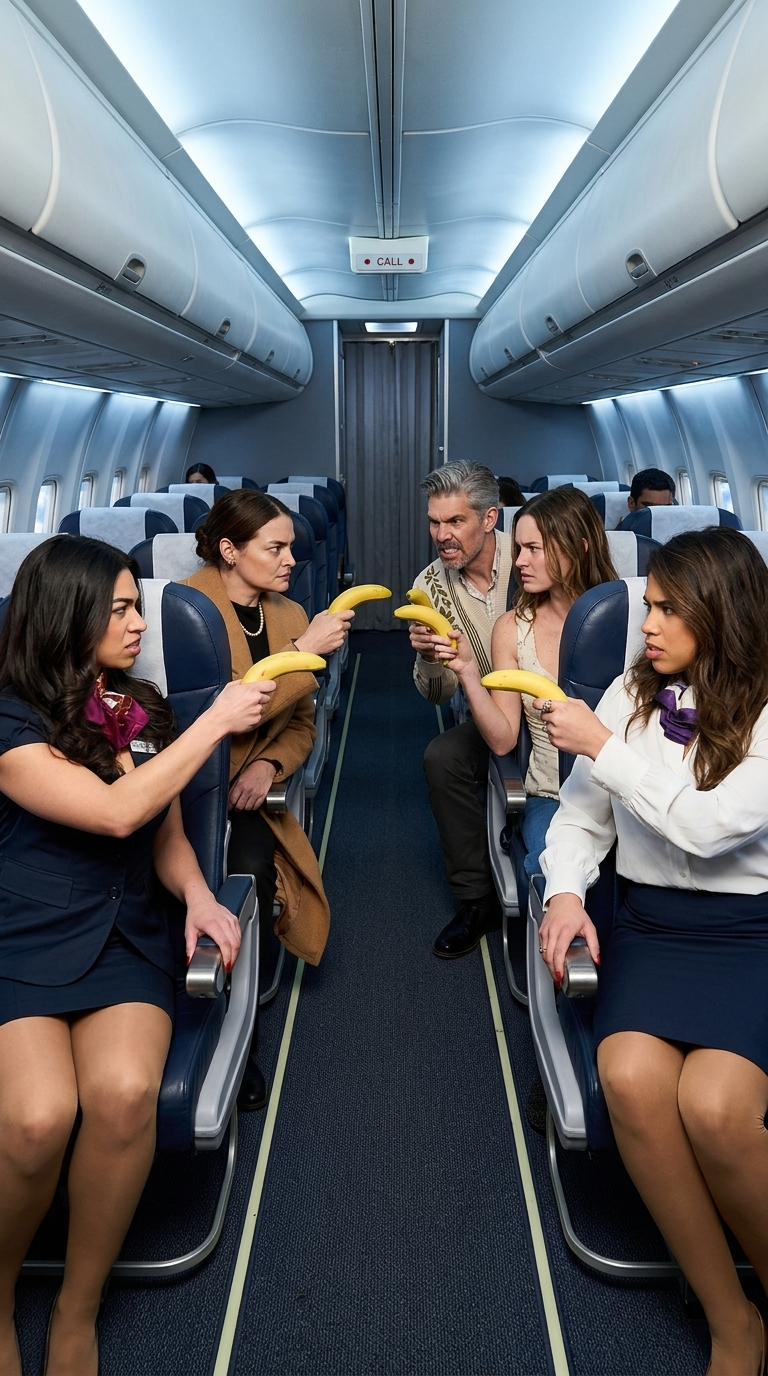
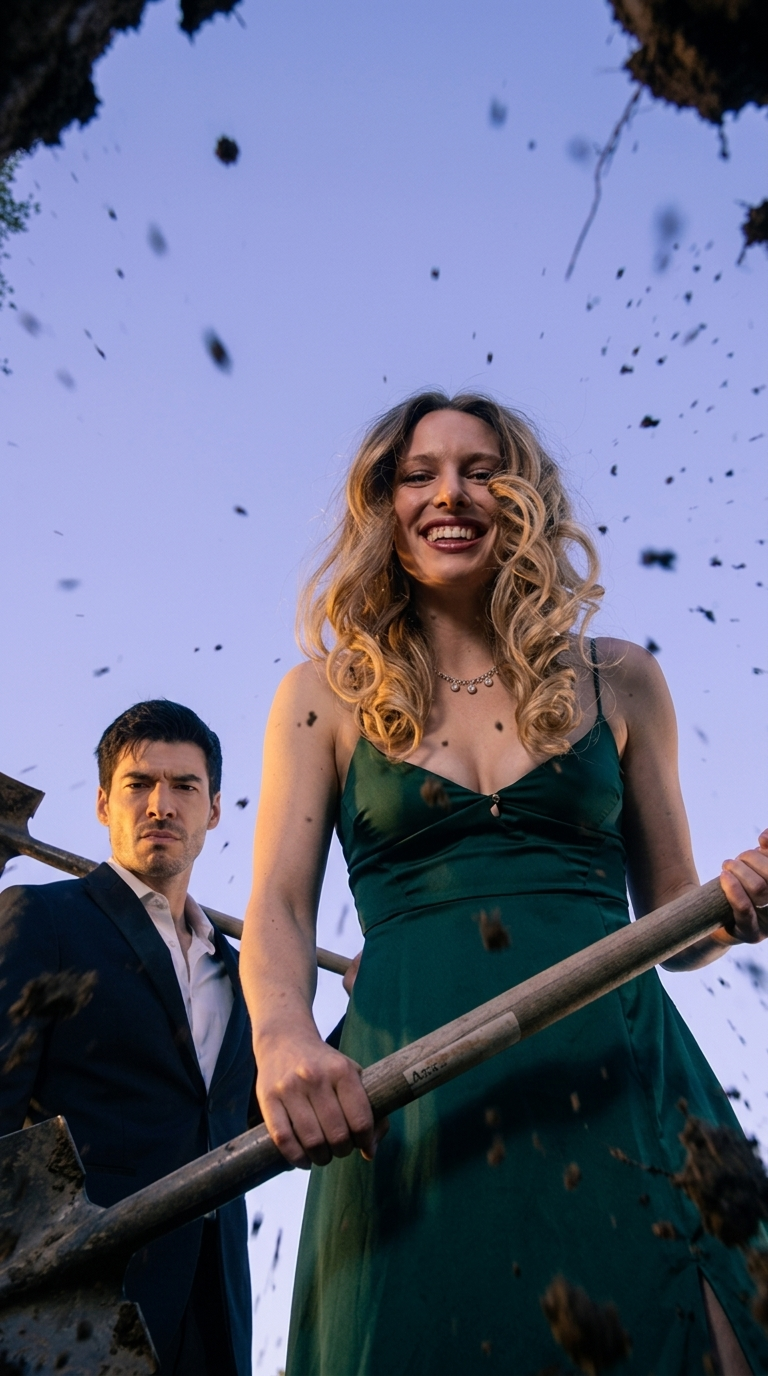
Six shows. No photo shoots. No actors on set. AI generates characters; Photoshop resolves the final 15%.
AI Production Lead
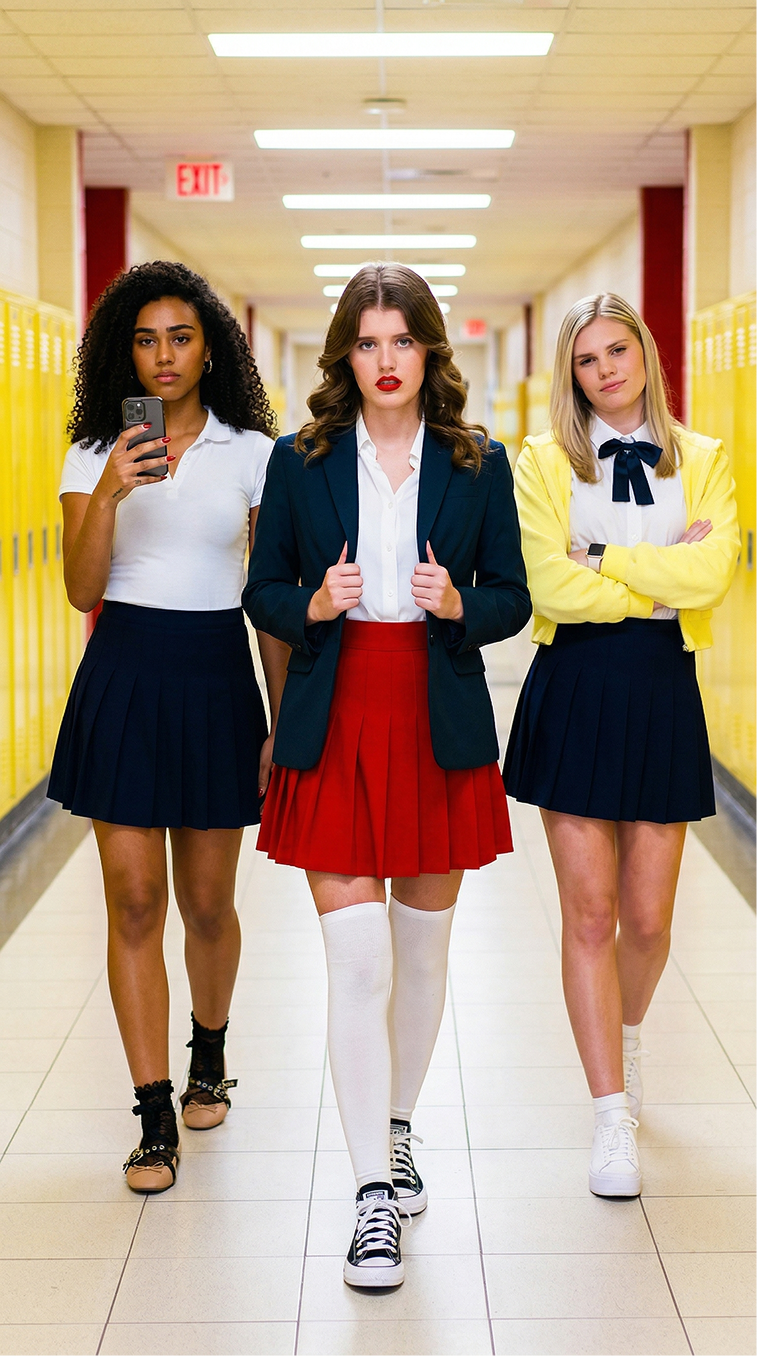
Six shows. No photo shoots. No actors on set. AI generates characters; Photoshop resolves the final 15%.
ATWIST needed key art across six serialized shows, psychological drama, romance, thriller. Standard path: talent wrangler, location scout, photographer, retoucher. Estimated cost: $8,000–$15,000 per show. Available budget: $0 for shoots.
The deliverables were not mood board illustrations. They needed to read as production photography, the kind audiences see on streaming home screens and assume is real.
A two-layer production pipeline: AI generation seeded from production stills, then Photoshop resolution of the final 15% that AI reliably fails.
The system runs in two distinct layers. Layer 1 is generation. Higgsfield handles character synthesis, environmental staging, and lighting. The pipeline is seeded wherever possible from production stills because seeded generation degrades faster and more predictably than cold generation.
Layer 2 is resolution. Photoshop handles the final 15% that AI reliably fails: hair-edge blending against complex backgrounds, motion artifacts in fabric, pupil geometry in close-up eyes, and plate compositing.
Production photography existed but had narrative gaps, specific emotional beats required by key art weren't captured on set. The style was committed: grayscale, high-contrast, clinical. The constraint wasn't style definition, it was style enforcement. AI models left to themselves drift toward saturation and warmth.
Existing production stills seeded all character work. Higgsfield was used for character extensions: matching the emotional register of existing frames, not inventing new ones. Grayscale was enforced at the prompt level, the generation settings level, and then verified against the existing stills' tonal range.
The final art is indistinguishable from production photography at streaming key art dimensions.
Romance key art lives or dies on character recognition. A reader who picked up Book 1 needs to look at Book 7 and recognize the same person. AI models don't remember. The failure mode was predictable: soft drift in facial geometry across sessions.
Soul ID training on 30+ reference frames. Multi-LoRA stacking separating identity signal from aesthetic signal. PuLID for frame-level control on close-up hero shots.
Every generated piece compared side-by-side against character sheet at 100% zoom. Facial geometry, eye spacing, and jawline were the three checkpoints.
The hardest problem in AI image production for narrative entertainment is not generating good images, it's generating images that can coexist with real photography in the same deliverable.
Every generated still was compared against the real production photography on grain texture, lighting, depth of field, and color before being approved. ESRGAN upscaling brought the resolution to match, and prompts were written to specify camera behavior explicitly. Not just "photorealistic" but the actual lens characteristics of the original shoot.